Design thinking is a methodology that has proven to be invaluable in the field of UI/UX design. With its focus on empathy, collaboration, and iterative problem-solving, design thinking allows designers to create user-centric experiences that resonate with their target audience. This approach goes beyond surface-level aesthetics and concentrates on understanding user needs, motivations, and pain points. By putting themselves in the shoes of their users, designers can gain valuable insights that drive the decision-making process and ensure that the final product meets user expectations.
What is Design Thinking in UI/UX Design?
Design thinking is a problem-solving approach that originated in the field of industrial design but has since been adopted by various disciplines, including UI/UX design. At its core, design thinking is about understanding and empathizing with users to create solutions that truly meet their needs.
In the context of UI/UX design, design thinking involves a deep understanding of user behavior, motivations, and pain points. It emphasizes collaboration, iteration, and a focus on the user throughout the design process. By adopting a design thinking mindset, designers can create interfaces that are intuitive, user-friendly, and visually appealing.
The Design Thinking Process in UI/UX Design
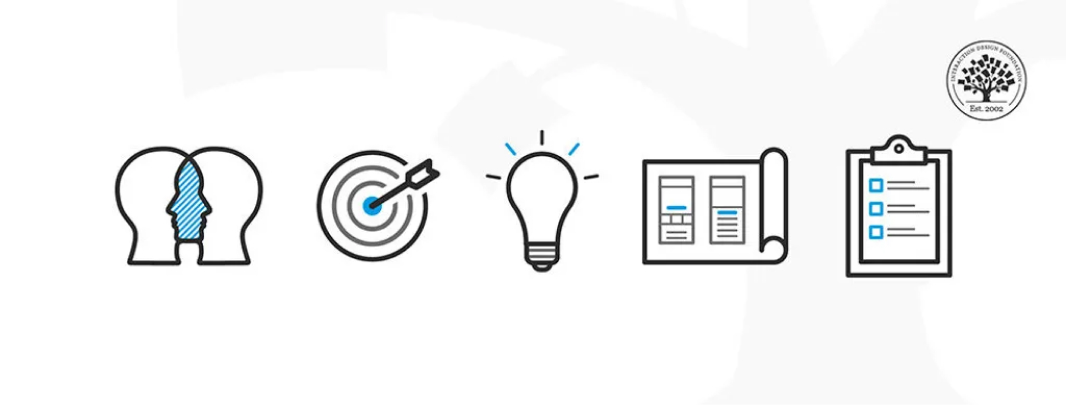
The design thinking process consists of several stages that guide designers in creating user-centric solutions. While the exact steps may vary depending on the source, the core stages of the design thinking process in UI/UX design include:
Empathize
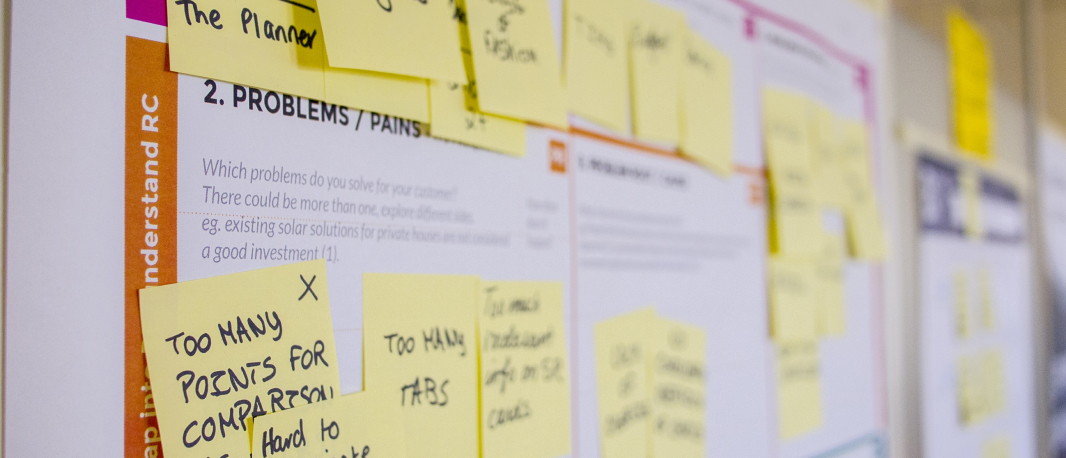
This stage involves understanding the needs and pain points of the users through research and observation. It includes conducting user interviews, surveys, and usability testing to gain insights into user behavior.
Define
In this stage, designers synthesize the information gathered during the empathize stage to define the problem they are trying to solve. They create user personas, identify user goals, and prioritize user needs.
Ideate
Designers generate a wide range of ideas and possible solutions to address the defined problem. This stage encourages brainstorming, ideation sessions, and thinking outside the box to come up with innovative solutions.
Prototype
Designers create low-fidelity prototypes that represent their ideas and solutions. These prototypes are used for testing and validation, allowing designers to gather feedback and make improvements.
Test
In this stage, designers test their prototypes with users to gather feedback and validate their assumptions. This feedback is used to refine the design and make necessary adjustments.
Tools and Resources for Implementing Design Thinking in UI/UX Design
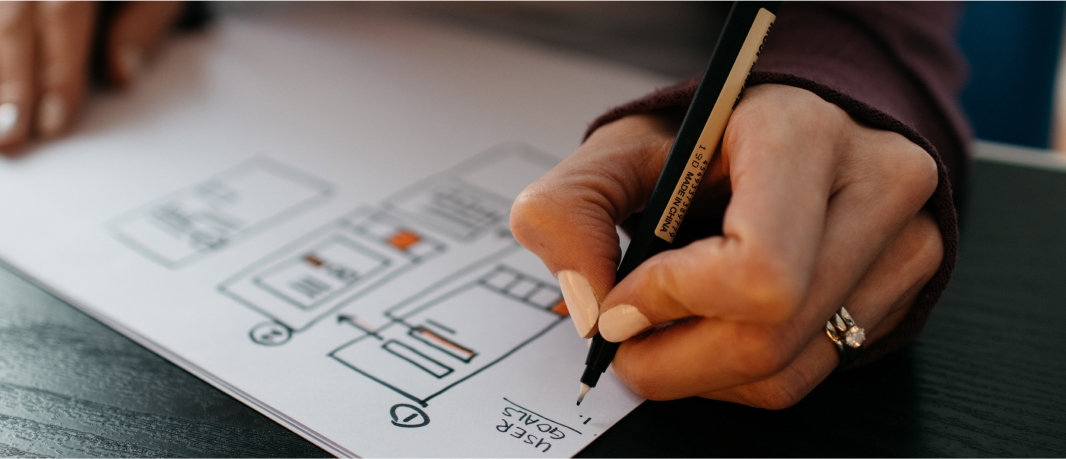
There are numerous tools and resources available to help designers implement design thinking in UI/UX design. Some popular ones include:
User Research Tools
Tools such as user surveys, interviews, and usability testing platforms can provide valuable insights into user behavior and preferences.
Collaboration Tools
Platforms like Figma, Miro, and InVision facilitate remote collaboration and allow teams to work together in real-time.
Prototyping Tools
Software like Sketch, Adobe XD, and Framer allow designers to create interactive prototypes that can be tested and validated with users.
Design Thinking Workshops
Workshops and training sessions can help teams understand and apply design thinking principles effectively.
Conclusion
In a rapidly evolving digital landscape, where user experience is a critical differentiator, design thinking is no longer a luxury but a necessity. It helps companies build products that users love and drives business success. By adopting a design thinking mindset, UI/UX designers can create interfaces that are intuitive, visually appealing, and solve real-world problems. This approach encourages innovation, collaboration, and a deep understanding of user needs. So, whether you’re a seasoned designer or just starting, embracing design thinking can take your UI/UX design skills to the next level.
Design thinking is a powerful methodology that allows designers to create user-centric experiences and drive business success. By understanding the importance of UI/UX design, embracing design thinking principles, and integrating them into your design process, you can create compelling and impactful interfaces that resonate with your target audience. So why wait? Start incorporating design thinking into your UI/UX design projects today and unlock the potential for innovation and user satisfaction.