Introduction
Are you a beginner in the field of UI/UX design and looking to gain some insights? Look no further! In this article, we will provide you with essential information you need to know about UI/UX design as a beginner.
UI (User Interface) and UX (User Experience) play a crucial role in the success of any digital product or website. UI design focuses on creating visually appealing and intuitive interfaces, while UX design aims to enhance user satisfaction by improving the overall experience.
As a beginner, understanding the fundamentals of UI/UX design is vital. From user research and prototyping to wireframing and testing, each step in the design process contributes to creating a seamless and user-friendly experience.
By learning the basics of UI/UX design, you can gain a competitive edge in the job market and open up a world of opportunities. So, whether you are a student, a career switcher, or someone seeking to enhance their skill set, this article will guide you through the essentials of UI/UX design.
Get ready to embark on an exciting journey into the world of UI/UX design, and equip yourself with the knowledge and skills needed to succeed!
The Importance of UI/UX Design in the Digital Industry
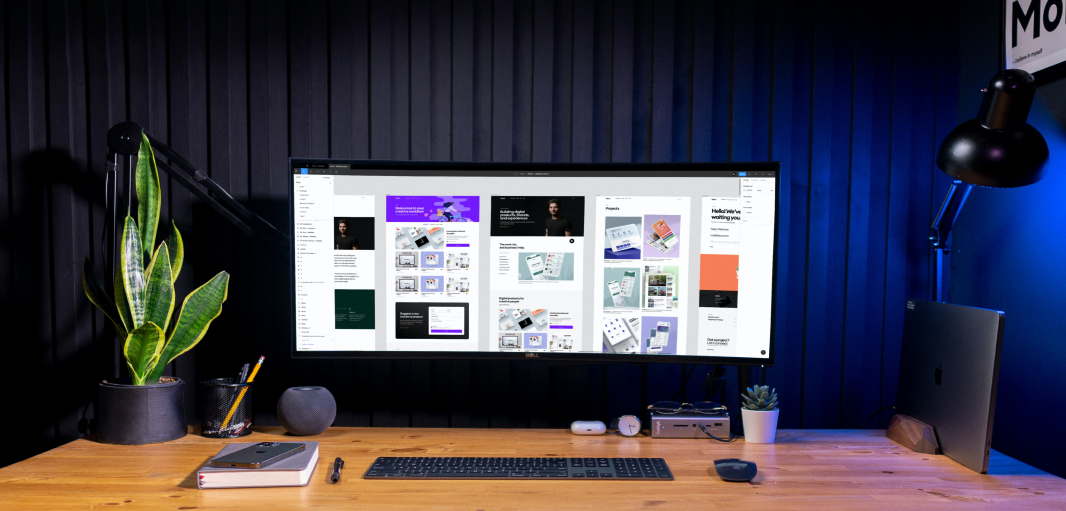
In today’s digital age, UI/UX design has become an integral part of creating successful products and websites. A well-designed user interface can make or break a user’s experience with a digital product, while a well-thought-out user experience can drive user engagement and satisfaction.
UI/UX design not only focuses on aesthetics but also on functionality and usability. It involves understanding user behavior, conducting user research, and creating interfaces that are intuitive, visually appealing, and easy to navigate. By prioritizing the user’s needs and preferences, UI/UX designers can create meaningful and enjoyable experiences for users.
In addition to enhancing user satisfaction, UI/UX design also has a significant impact on business success. A well-designed and user-friendly interface can increase customer loyalty, improve conversion rates, and boost brand reputation. Investing in UI/UX design can lead to higher customer satisfaction, increased user engagement, and ultimately, higher revenues for businesses.
In summary, UI/UX design is a critical aspect of the digital industry. It not only improves user satisfaction but also contributes to business success by creating engaging and user-friendly experiences.
UI vs UX: Understanding the Differences
While UI (User Interface) and UX (User Experience) are often used interchangeably, they are distinct but interconnected disciplines within the field of design.
UI design focuses on the visual aspects of a digital product or website. It involves creating aesthetically pleasing interfaces that are visually appealing and easy to use. UI designers are responsible for selecting color schemes, typography, icons, and other visual elements that contribute to the overall look and feel of a digital product.
On the other hand, UX design focuses on the overall user experience. It involves understanding user behavior, conducting user research, and designing interactions that are intuitive and seamless. UX designers work on creating user flows, wireframes, and prototypes to ensure that the digital product or website meets the needs and expectations of users.
While UI and UX design are separate disciplines, they are closely intertwined. A visually appealing interface without a seamless user experience may lead to frustration and dissatisfaction among users. Similarly, a well-designed user experience can be undermined by a poorly designed interface. Therefore, it is essential for UI and UX designers to collaborate and work together to create cohesive and user-centered designs.
In conclusion, UI and UX design are complementary disciplines that work together to create visually appealing and user-friendly digital products and websites.
Skills Required for a Successful UI/UX Designer

Becoming a successful UI/UX designer requires a combination of technical skills, creativity, and a deep understanding of user behavior. Here are some essential skills that will set you on the path to success in the UI/UX design field:
User Research
A good UI/UX designer understands the importance of conducting user research to gain insights into user needs, preferences, and pain points. This involves using various research methods such as interviews, surveys, and usability testing to gather data that informs the design process.
Wireframing and Prototyping
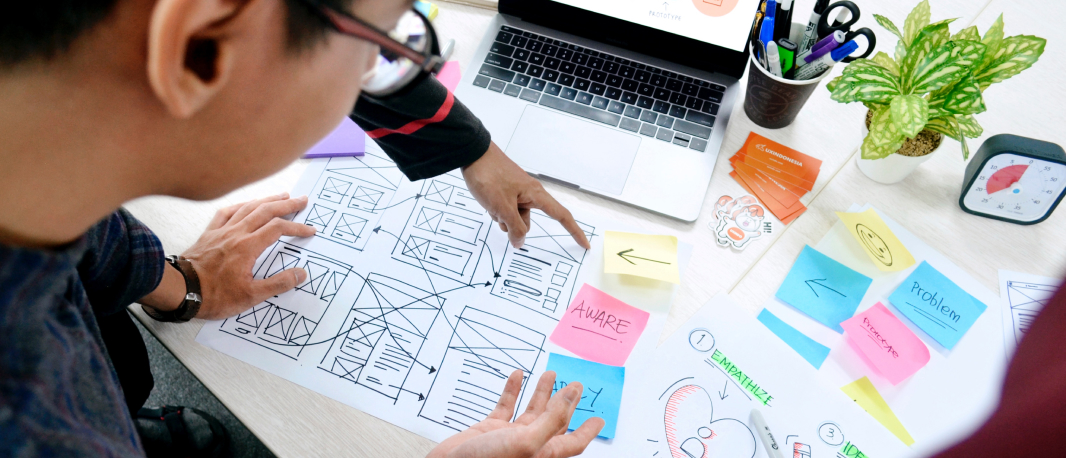
Wireframing and prototyping are crucial steps in the design process. UI/UX designers use wireframing tools to create low-fidelity representations of interfaces, allowing them to test and iterate on design concepts. Prototyping tools, on the other hand, enable designers to create interactive and high-fidelity prototypes that simulate the user experience.
Interaction Design
UX designers focus on creating intuitive and seamless interactions between users and digital products. This involves designing user flows, navigation systems, and interactive elements that guide users through the product or website.
Collaboration and Communication
UI/UX designers often work in multidisciplinary teams, collaborating with developers, product managers, and other stakeholders. Strong communication and collaboration skills are essential for effectively conveying design ideas, gathering feedback, and aligning the design vision with the project goals.
Problem-solving and Critical Thinking
UI/UX designers are problem solvers. They need to be able to identify design challenges and come up with creative solutions that meet user needs and business objectives. Critical thinking skills are also crucial for evaluating and refining design concepts based on user feedback and data analysis.
By developing these skills, you can position yourself as a valuable UI/UX designer in the competitive job market.
Tools and Software Used in UI/UX Design
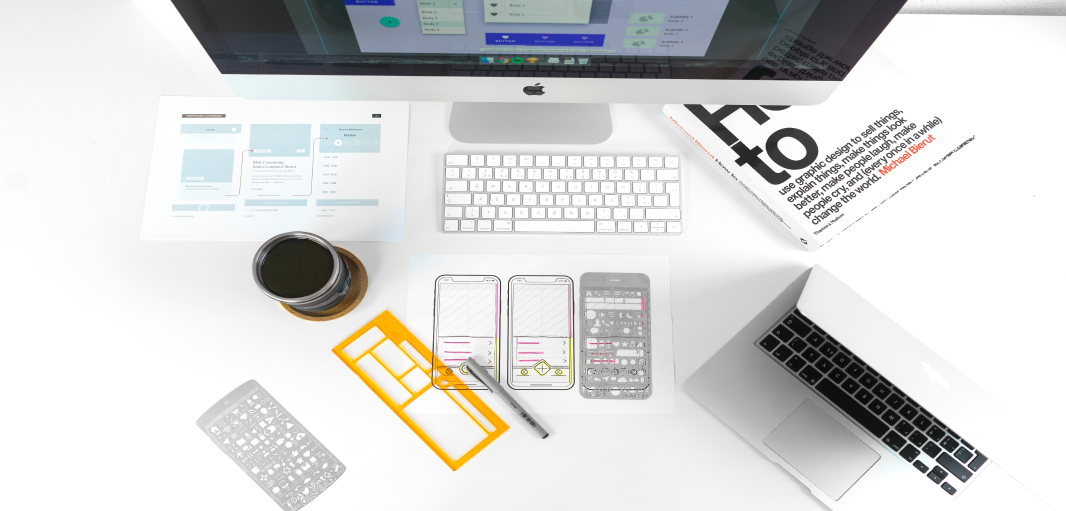
UI/UX designers have a wide range of tools and software at their disposal to streamline the design process and bring their ideas to life. Here are some commonly used tools and software in the UI/UX design field:
Figma
Figma is a cloud-based design tool that enables real-time collaboration and seamless design handoff. It is widely used for creating user interfaces and design systems. Figma also have features like FigJam and creating prototype so that designer no need to use another software because Figma already covered it up.
UXPressia
UXPressia is a user research and customer journey mapping platform that helps businesses and UX professionals create and visualize customer journeys, personas, and other user-related artifacts.
Maze
Maze is a platform that enables designers and UX professionals to perform usability testing and user testing on interactive prototypes. It allows you to create user tests, gather valuable feedback, and gain insights into how users interact with your designs. Maze helps streamline the testing process, making it easier to identify pain points and areas for improvement in your design projects.
Maze is a platform that enables designers and UX professionals to perform usability testing and user testing on interactive prototypes. It allows you to create user tests, gather valuable feedback, and gain insights into how users interact with your designs. Maze helps streamline the testing process, making it easier to identify pain points and areas for improvement in your design projects.
Steps to Becoming a UI/UX Designer

Becoming a UI/UX designer involves a combination of education, practical experience, and continuous learning. Here are the steps you can take to kickstart your career in UI/UX design:
Educate Yourself: Start by gaining a solid foundation in design principles and methodologies. There are numerous online courses, tutorials, and resources available that can help you learn the fundamentals of UI/UX design.
Build a Portfolio: As a beginner, building a portfolio of design projects is crucial to showcase your skills and attract potential employers or clients. Start by working on personal projects or volunteering for design initiatives to gain practical experience and create a diverse portfolio.
Network and Collaborate: Join design communities, attend conferences, and connect with other designers to expand your network. Collaborating with other designers on projects can provide valuable learning opportunities and help you gain insights from experienced professionals.
Seek Feedback and Iterate: Share your work with peers, mentors, and potential employers to gather feedback and insights for improvement. Iterating on your designs based on feedback will help you refine your skills and create more polished and user-centered designs.
Stay Updated: The field of UI/UX design is constantly evolving, with new tools, techniques, and trends emerging regularly. Stay updated with the latest industry news, follow design blogs, and participate in webinars or workshops to keep your skills sharp and stay ahead of the curve.
By following these steps and continuously honing your skills, you can pave the way for a successful career in UI/UX design.
Conclusion
The future of UI/UX design is full of possibilities. By staying curious, embracing new technologies, and continuously learning and adapting, you can position yourself at the forefront of this ever-evolving field.
In conclusion, the world of UI/UX design offers endless opportunities for creativity and innovation. By understanding the importance of intuitive interfaces, the differences between UI and UX, and the skills required for success, you can embark on a fulfilling career in this field. Remember to stay updated with the latest trends, continuously improve your skills, seek feedback, and learn from successful design projects. The future of UI/UX design is bright, and with dedication and passion, you can create remarkable digital experiences that leave a lasting impact on users. So, unleash your creativity and dive into the exciting world of UI/UX design!